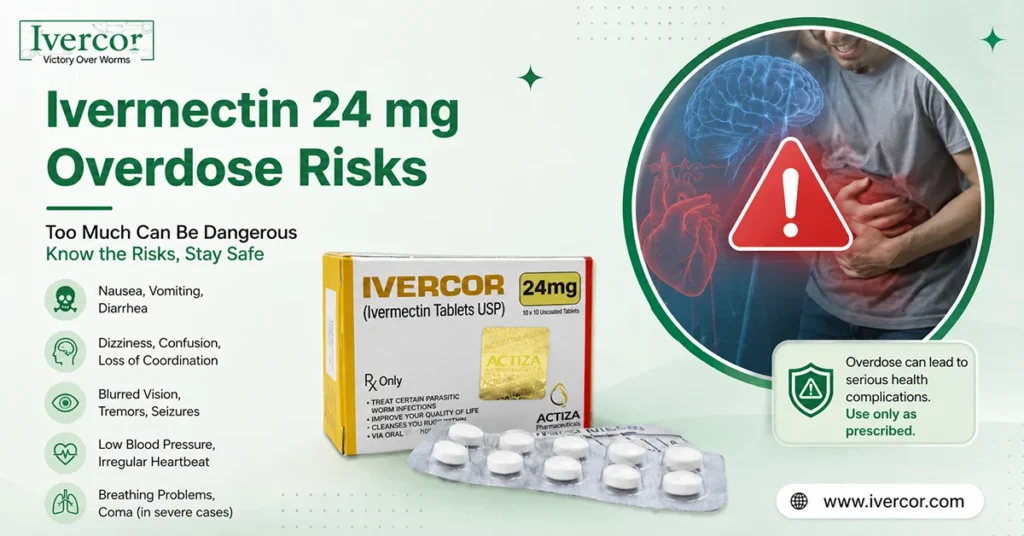
Ivermectin 24 mg Overdose Risks
Understanding Ivermectin and Its Uses
Ivermectin is a medication widely used to treat a variety of parasitic infections. It is approved for the treatment of conditions such as onchocerciasis (river blindness), strongyloidiasis, and other parasitic infections caused by worms or mites. Recently, ivermectin has gained attention for off-label uses, which has led to increased concerns related to dosing and potential overdose risks.
What is Ivermectin 24 mg?
Ivermectin doses vary depending on the condition being treated and patient-specific factors such as weight. The 24 mg dose is considered a high single dose typically used for certain parasitic infections in adults. It is important to follow prescribed dosing guidelines strictly, as taking more than the recommended dose can lead to serious health complications.
What is Ivermectin Overdose?
Ivermectin overdose occurs when an individual consumes more than the prescribed or recommended amount of the medication. Overdosing on ivermectin can result in toxic effects that impact multiple body systems, including the nervous system, gastrointestinal tract, and cardiovascular system. Overdose can be accidental or intentional and requires immediate medical attention to prevent severe outcomes.
Signs and Symptoms of Ivermectin Overdose
Recognizing the symptoms of ivermectin overdose early is crucial for prompt treatment. Symptoms may develop rapidly after ingestion, and their severity depends on the amount of the drug taken.
- Neurological symptoms: dizziness, confusion, seizures, tremors, ataxia (loss of coordination), and decreased consciousness.
- Gastrointestinal symptoms: nausea, vomiting, diarrhea, abdominal pain.
- Cardiovascular symptoms: low blood pressure, rapid heartbeat.
- Other symptoms: rash, swelling, or allergic reactions in rare cases.
Why is Ivermectin 24 mg Overdose Dangerous?
At high doses, ivermectin can cross the blood-brain barrier, potentially causing toxic effects on the central nervous system. Since ivermectin acts on parasite-specific neurotransmitter receptors, in overdose, it may also bind to human receptors, leading to neurological impairment. The 24 mg dose, if exceeded significantly, increases the risk of these adverse effects. Additionally, cumulative high doses or repeated misuse can result in prolonged toxicity and complications.
Factors Increasing Risk of Overdose
Certain factors can increase an individual’s risk of ivermectin overdose or worsen its effects:
- Self-medication or misuse: Using ivermectin without medical supervision, often in attempts to self-treat viral illnesses.
- Weight and age: Dosing must be adjusted for body weight, especially in children and elderly patients.
- Drug interactions: Concurrent use of medications that affect liver enzymes may alter ivermectin metabolism, increasing toxicity risk.
- Pre-existing conditions: Liver or kidney impairment can reduce drug clearance, causing accumulation.
What to Do in Case of an Ivermectin Overdose
If an ivermectin overdose is suspected, immediate medical attention is critical. Here are the steps to take:
- Call emergency services: Contact poison control or emergency medical services immediately.
- Do not induce vomiting: Unless instructed by a healthcare professional.
- Provide information: Share details about the dose taken, timing, and any other medications being used.
- Supportive care: Medical professionals may monitor vital signs, administer activated charcoal to limit absorption if early, and provide symptomatic treatment such as anti-seizure medication or IV fluids.
Prevention of Ivermectin Overdose
Preventing ivermectin overdose primarily involves safe medication practices. Consider these precautions:
- Follow prescribed doses: Always take ivermectin exactly as prescribed by a healthcare provider.
- Avoid self-medication: Do not take ivermectin for unapproved indications or without medical advice.
- Check interactions: Inform your doctor about all medications and supplements you take.
- Store medication safely: Keep ivermectin out of reach of children and individuals who might misuse it.
Medical Management and Treatment Options
There is no specific antidote for ivermectin overdose, so treatment focuses on supportive care. This can include:
- Monitoring and managing neurological symptoms such as seizures.
- Maintaining hydration with intravenous fluids.
- Treating cardiovascular instability.
- Hospital observation until symptoms fully resolve.
Most patients recover with appropriate medical care, but severe cases require urgent intervention to avoid long-term complications.
Conclusion
Ivermectin 24 mg overdose is a serious medical concern that warrants awareness of its symptoms, risks, and management. Responsible use under medical supervision, adhering to recommended doses, and seeking prompt medical help if an overdose occurs can prevent adverse outcomes. Information and cautious use remain the best tools to ensure ivermectin continues to be safe and effective for patients needing this medication.
FAQ
What happens if I accidentally take too much ivermectin 24 mg?
Taking more than the recommended dose can cause symptoms like dizziness, nausea, confusion, and in severe cases, seizures or unconsciousness. Seek emergency medical care immediately.
Can ivermectin overdose be fatal?
While rare, severe ivermectin overdose can lead to life-threatening complications, especially if untreated. Prompt medical intervention greatly improves outcomes.
How is ivermectin overdose diagnosed?
Diagnosis is based on the history of ivermectin ingestion above prescribed doses and the presence of clinical symptoms. There are no routine blood tests for ivermectin levels in most settings.
Is there an antidote for ivermectin overdose?
No specific antidote exists. Treatment is supportive and symptomatic, often requiring close monitoring in a healthcare facility.
Can I prevent overdose by adjusting the dose myself?
No. Never adjust the ivermectin dose without consulting a healthcare provider. Incorrect dosing can increase the risk of toxicity or treatment failure.