Ivermectin 24 mg for Worm Infections
Understanding Ivermectin 24 mg for Worm Infections
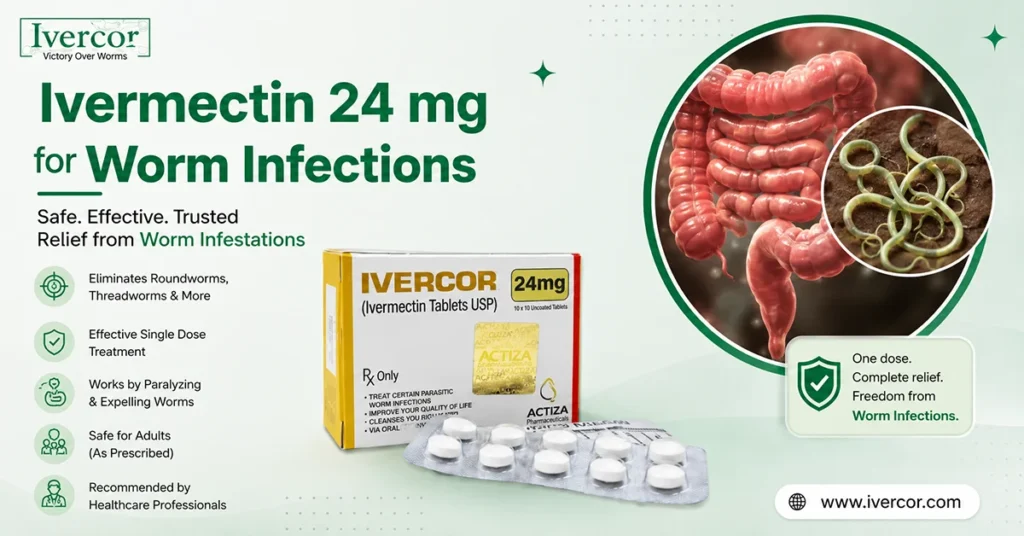
Ivermectin is a powerful antiparasitic medication widely used to treat various worm infections effectively. The 24 mg dosage is particularly notable for its efficacy in eliminating parasitic worms that cause significant health issues in humans. This medication belongs to a class of drugs called avermectins, which work by paralyzing and killing parasites, making it a preferred choice for many worm infections.
What Are Worm Infections?
Worm infections, also known as helminth infections, are caused by different types of parasitic worms invading the body. These infections can have symptoms ranging from mild discomfort to severe health problems depending on the type of worm and severity of the infestation. Common types of worms include roundworms, threadworms, hookworms, and tapeworms.
How Does Ivermectin Work Against Worms?
Ivermectin acts on the nervous system of parasitic worms leading to paralysis and death of the parasite. It binds to specific chloride ion channels in nerve and muscle cells, increasing permeability to chloride ions which results in hyperpolarization and, consequently, paralysis. This action stops the worms from moving or feeding, causing them to die and be expelled from the body naturally.
Uses of Ivermectin 24 mg
- Treatment of strongyloidiasis (caused by Strongyloides stercoralis)
- Treatment of onchocerciasis (river blindness)
- Effective against scabies and other external parasites
- Used in some cases for treating other parasitic worm infestations as prescribed by doctors
Recommended Dosage and Administration
The dosage of ivermectin, including the 24 mg tablet, is determined by the severity of the infection, the type of worm, and patient weight. It is crucial to follow the healthcare provider’s instructions for proper dosing to ensure effective treatment and reduce the risk of side effects.
- Standard Dosage: Generally, ivermectin is taken as a single dose; however, some infections may require multiple doses spaced over time.
- Administration: Taken orally with water, preferably on an empty stomach for better absorption.
Important Precautions
- Consult a healthcare professional before beginning treatment.
- Inform your doctor about any current medications and medical conditions.
- Pregnant and breastfeeding women should only use ivermectin if clearly needed and prescribed by a physician.
- Avoid driving or operating machinery if you experience dizziness or drowsiness after taking ivermectin.
Benefits of Using Ivermectin for Worm Infections
- Highly Effective: Targets a broad spectrum of parasitic worms, offering fast relief.
- Convenient Dosage: Usually requires only one or two doses.
- Well Tolerated: Minimal side effects when used correctly.
- Widely Available: Approved worldwide for multiple parasitic infections.
Potential Side Effects
While ivermectin is generally safe, some people may experience side effects. Common side effects include:
- Nausea or vomiting
- Dizziness or lightheadedness
- Diarrhea
- Itching or mild skin rash
Serious side effects are rare but can include severe allergic reactions. Seek medical attention immediately if you notice symptoms such as difficulty breathing, swelling of the face or lips, or severe rash.
Precautions and Interactions
Ivermectin may interact with other medications, so disclose all medicines you take to your healthcare provider. Avoid consuming alcohol during treatment to minimize side effects. Also, keep follow-up appointments to ensure the infection has cleared completely.
FAQ
Q1: Can Ivermectin 24 mg treat all types of worm infections?
A1: Ivermectin is effective against several types of parasitic worms but may not work for all infections. Always get a proper diagnosis to ensure appropriate treatment.
Q2: Is ivermectin safe for children?
A2: Ivermectin can be prescribed for children, but the dosage will depend on their weight and age. Medical advice is essential before administering the medication to children.
Q3: How soon will I see results after taking ivermectin?
A3: Many patients notice improvement within a few days, but full eradication of the infection may take longer. Follow your doctor’s instructions for follow-up care.
Q4: Can Ivermectin be used to prevent worm infections?
A4: Ivermectin is primarily used for treatment rather than prevention. Preventive measures include good hygiene and avoiding contact with contaminated soil or water.
Q5: Are there any foods or drugs I should avoid when taking ivermectin?
A5: Avoid alcohol and inform your doctor about all medications you are taking to prevent interactions. There are no specific food restrictions, but taking ivermectin on an empty stomach may improve absorption.