How to Take Ivermectin 24 mg Safely
How to Take Ivermectin 24 mg Safely: A Comprehensive Guide
Ivermectin is a powerful medication that has been used for decades to treat various parasitic infections in humans. When your healthcare provider prescribes an Ivermectin 24 mg dosage, it is crucial to understand how to take it correctly to ensure maximum effectiveness and safety. While this medication is highly effective, its potency requires careful adherence to medical instructions. This guide will walk you through everything you need to know about taking an ivermectin 24 mg dosage, from the conditions it treats to the safety precautions you must observe. Understanding the nuances of this medication helps you manage your health better and ensures that the treatment works as intended without unnecessary complications.
Understanding the Ivermectin 24 mg Dosage
The specific ivermectin 24 mg dosage is usually determined based on a patient’s body weight. In medical practice, ivermectin is typically dosed at 150 to 200 micrograms per kilogram of body weight. This means that a 24 mg dose is often appropriate for an adult weighing approximately 120 kilograms (about 264 pounds). Because the dosage is so specific to your weight, you should never share your prescription with others or take a dose that was not specifically calculated for you by a professional. Taking too much can lead to toxicity, while taking too little may fail to clear the infection, potentially leading to drug resistance in the parasites. Most prescriptions for ivermectin are taken as a single dose, although some conditions may require a second dose after a week or two to ensure all parasites, including those that were in the egg stage during the first dose, are eradicated.
Conditions Treated with Ivermectin
Ivermectin is primarily known for its ability to clear internal and external parasites. Some of the most common conditions that might require an ivermectin 24 mg dosage include strongyloidiasis and onchocerciasis. Strongyloidiasis is an infection caused by roundworms that enter the body through the skin and eventually settle in the intestines. Onchocerciasis, also known as river blindness, is caused by a different type of worm transmitted by blackflies. Additionally, ivermectin is frequently used off-label or in specific formulations for treating severe cases of scabies or lice that have not responded to topical treatments. Each of these conditions requires a specific approach, but the underlying goal of the ivermectin 24 mg dosage remains the same: to paralyze and kill the parasites so the body can naturally expel them.
How to Properly Administer Your Medication
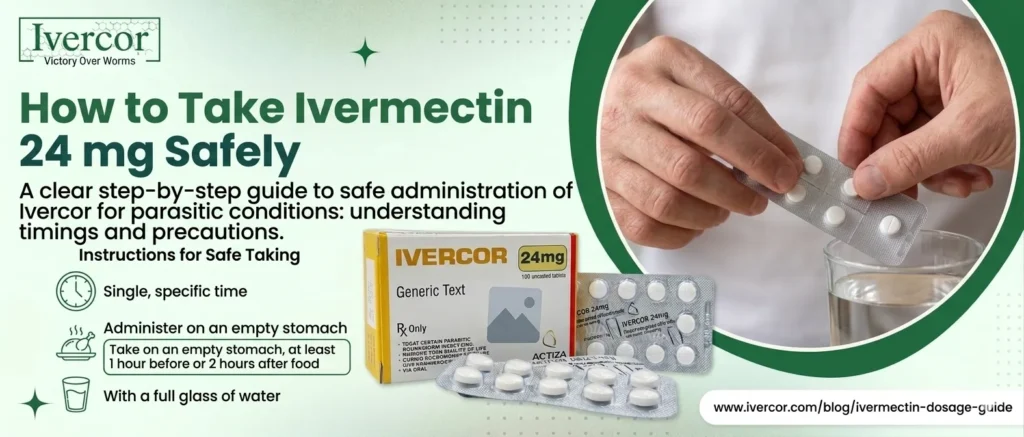
To get the most out of your ivermectin 24 mg dosage, you must follow specific administration guidelines. Generally, ivermectin should be taken on an empty stomach. Medical experts usually recommend taking the tablets at least one hour before a meal or two hours after eating. This is because food, especially high-fat meals, can significantly change how the medication is absorbed into your bloodstream. For most parasitic infections, you want the medication to act within the gut or reach specific tissue concentrations that are best achieved on an empty stomach. You should swallow the tablets whole with a full glass of water. If you have trouble swallowing tablets, speak to your pharmacist about the best way to take them, but do not crush or chew them unless specifically instructed to do so by a doctor.
What to Do if You Miss a Dose
Since the ivermectin 24 mg dosage is frequently prescribed as a single-time dose, missing it simply means you should take it as soon as you remember. However, if it is almost time for your next scheduled dose (in cases where a repeat dose is required), skip the missed dose and return to your regular schedule. Never double the dose to catch up, as this increases the risk of side effects and toxicity. Keeping a calendar reminder or using a medication app can help ensure you take the medication at the optimal time for your recovery.
Safety Precautions and Potential Side Effects
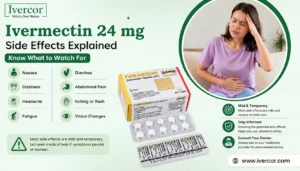
Like any potent medication, an ivermectin 24 mg dosage can cause side effects, though not everyone experiences them. Most side effects are mild and temporary as the body adjusts to the medication or reacts to the parasites dying off. Common symptoms include dizziness, loss of appetite, nausea, stomach pain, or a mild skin rash. In more severe cases, particularly when treating river blindness, patients might experience the Mazzotti reaction, which is an immune response to the dying larvae. This can cause fever, joint pain, and swelling of the lymph nodes. It is important to stay hydrated and rest after taking your dose. If you experience severe symptoms like vision changes, inability to breathe, or a high fever, you should seek emergency medical attention immediately. Always inform your doctor of your full medical history, especially if you have liver problems, HIV, or a weakened immune system, as these factors can influence how your body processes the ivermectin 24 mg dosage.
Drug Interactions and Restrictions
Before starting your ivermectin 24 mg dosage, you must disclose all other medications, supplements, and herbal products you are currently taking. Ivermectin can interact with blood thinners like warfarin, potentially increasing the risk of bleeding. It may also interact with certain medications that affect the central nervous system. Alcohol should be strictly avoided while taking ivermectin, as it can enhance the sedative effects of the drug and increase the likelihood of dizziness or fainting. Pregnant or breastfeeding women should only use ivermectin if the benefits clearly outweigh the risks, and only under strict medical supervision, as the effects on developing fetuses and infants are still being studied.
Common Questions About Ivermectin 24 mg Dosage
Can I take ivermectin with food?
It is generally recommended to take ivermectin on an empty stomach with a full glass of water. Taking it with food can interfere with the absorption rate, which is critical for treating specific types of parasitic infections effectively. Always follow the specific instructions on your prescription label.
How long does it take for ivermectin to work?
While the medication begins working shortly after ingestion to paralyze parasites, you may not feel better immediately. Depending on the type of infection, it may take several days or even weeks for the dead parasites to be cleared from your system and for your symptoms to fully subside. A follow-up stool test or skin exam is often required to confirm the infection is gone.
Is ivermectin 24 mg a high dose?
Whether 24 mg is considered high depends entirely on your body weight. For a person weighing 120 kg, an ivermectin 24 mg dosage is a standard therapeutic amount. However, for a smaller person, this would be an overdose. This is why self-medicating is extremely dangerous and weight-based dosing by a professional is mandatory.
Can I drive after taking my dose?
Ivermectin can cause dizziness or drowsiness in some individuals. It is best to see how the medication affects you before operating heavy machinery or driving a vehicle. If you feel lightheaded after taking your ivermectin 24 mg dosage, sit or lie down until the feeling passes.
Are there any dietary restrictions?
Besides taking the medication on an empty stomach, there are no specific foods you must avoid throughout the entire treatment period. However, staying well-hydrated is always recommended to help your kidneys and liver process the medication and the byproducts of the eliminated parasites.
Storing Your Medication Safely
Proper storage is essential to maintain the integrity of your ivermectin 24 mg dosage. Keep the tablets in their original container, tightly closed, and stored at room temperature away from excess heat and moisture. Do not store them in the bathroom where humidity levels fluctuate. Most importantly, keep all medications out of the reach of children and pets. If you have leftover medication after your treatment cycle is complete, do not save it for future use. Dispose of it according to local guidelines or take it to a pharmacy with a drug take-back program to ensure it does not end up in the water supply or in the wrong hands.
The Importance of Medical Supervision
While the internet provides a wealth of information, it should never replace the advice of a qualified healthcare professional. An ivermectin 24 mg dosage is a medical intervention that requires a diagnosis and a prescription. Parasitic infections can sometimes mimic other health issues, and taking the wrong medication can delay proper treatment. Furthermore, your doctor will need to monitor your progress, potentially performing follow-up exams to ensure the parasites have been completely eradicated. If you suspect you have a parasitic infection, your first step should always be a consultation with a doctor who can provide the necessary tests and determine if an ivermectin 24 mg dosage is the right course of action for your specific health needs.
Final Thoughts on Safe Usage
Taking an ivermectin 24 mg dosage safely involves more than just swallowing a pill; it requires an understanding of timing, weight-based dosing, and potential side effects. By following the guidance of your healthcare provider and sticking to the empty-stomach rule, you maximise the chances of a quick and successful recovery. Ivermectin remains one of the most effective tools in modern medicine for combating parasitic diseases, and when used responsibly, it can significantly improve your quality of life and long-term health outcomes. Always stay vigilant about how your body responds to the medication and maintain open communication with your medical team throughout the entire process of your treatment.