Ivermectin 24 mg for Strongyloidiasis
Understanding Strongyloidiasis and Its Treatment
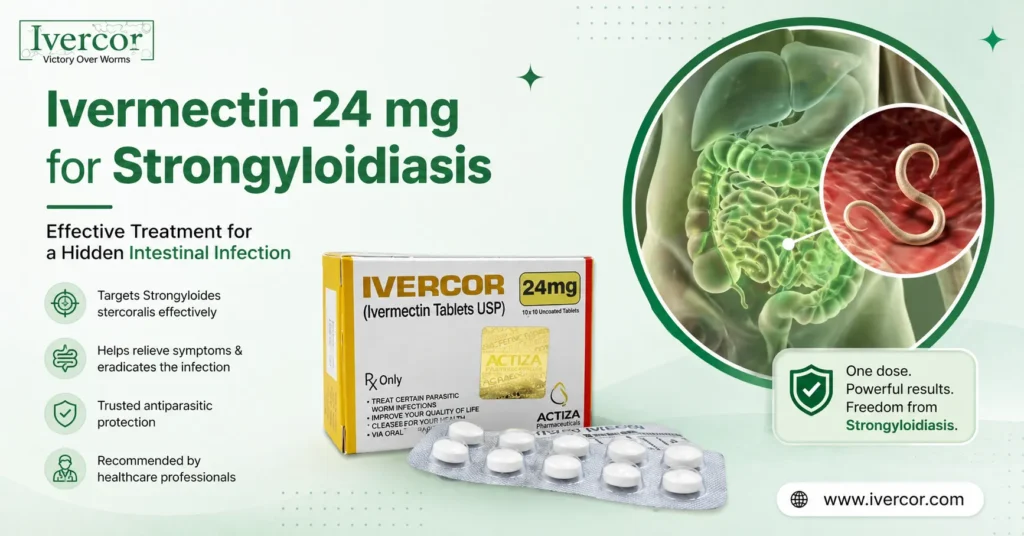
Strongyloidiasis is a parasitic infection caused by the nematode Strongyloides stercoralis. It primarily affects the intestines but can cause systemic complications if untreated. The infection is prevalent in tropical and subtropical regions, with millions affected worldwide. Ivermectin 24 mg is one of the most effective treatments available for strongyloidiasis, known for its efficacy and safety profile.
What is Ivermectin?
Ivermectin is an anti-parasitic medication that works by interfering with the nervous system of parasites, leading to their paralysis and death. It has gained prominence for treating various parasitic infections, including onchocerciasis, scabies, and most importantly, strongyloidiasis.
How Does Ivermectin Work Against Strongyloidiasis?
Ivermectin acts by binding selectively to glutamate-gated chloride channels in the parasite’s nerve and muscle cells. This causes an increased permeability to chloride ions, resulting in hyperpolarization, paralysis, and death of the parasite. The drug is effective against both adult worms and larvae, helping to clear the infection completely.
Dosage of Ivermectin 24 mg for Strongyloidiasis
The standard dosage of ivermectin for strongyloidiasis typically depends on the patient’s weight and the severity of the infection. For many adults, ivermectin 24 mg is used as a single dose or repeated dosing over a few days under medical supervision.
- Common Regimen: A single dose of ivermectin 200 mcg/kg is usually recommended, which often corresponds to a 24 mg tablet for an average adult.
- Repeat Dosing: Sometimes, the dose may be repeated after one to two weeks to ensure complete eradication of the parasite.
- Medical Supervision: It’s critical to consult a healthcare provider for an accurate dosage plan tailored to individual patient needs.
Benefits of Using Ivermectin 24 mg for Strongyloidiasis
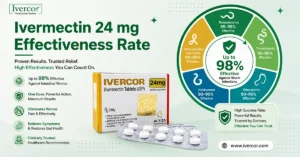
- High Efficacy: Ivermectin shows cure rates up to 90-100% for uncomplicated strongyloidiasis.
- Convenient Dosing: The single-dose regimen improves patient compliance.
- Low Side Effects: Ivermectin is generally well tolerated with minimal adverse effects.
- Wide Availability: Being globally available and affordable, it is accessible in endemic regions.
Possible Side Effects of Ivermectin
While ivermectin is safe for most people, some side effects might occur, including:
- Dizziness
- Headache
- Fatigue
- Gastrointestinal discomfort such as nausea or diarrhea
- Skin rash or itching, in rare cases
If any severe side effects or allergic reactions occur, immediate medical attention is recommended.
Precautions and Contraindications
- Pregnancy and Breastfeeding: The safety of ivermectin during pregnancy and lactation has not been firmly established. Consultation with a healthcare professional is essential.
- Children: The dosing guidelines vary by weight; appropriate pediatric dosages should be followed.
- Concurrent Medications: Inform your doctor about all other medications you are taking to avoid drug interactions.
- Underlying Health Conditions: Patients with liver disease or immune compromise should use ivermectin under strict medical supervision.
Alternatives to Ivermectin for Strongyloidiasis
Although ivermectin is the first-line treatment, some alternative therapies include:
- Albendazole: Used in some cases but generally less effective than ivermectin.
- Thiabendazole: An older drug with more side effects, now largely replaced by ivermectin.
Effective treatment depends on early diagnosis and proper medical management to prevent complications like hyperinfection syndrome, especially in immunocompromised patients.
Preventive Measures Against Strongyloidiasis
To reduce the risk of infection, especially in endemic areas, consider the following precautions:
- Avoid walking barefoot on contaminated soil.
- Practice good sanitation and hygiene.
- Ensure proper waste disposal and clean water supplies.
- Educate communities about the risks and prevention methods.
FAQ
What is the recommended dose of ivermectin for strongyloidiasis?
The recommended dose is generally 200 mcg/kg as a single oral dose, which is often equivalent to 24 mg for an average adult. A second dose may be required based on medical advice.
Is ivermectin 24 mg safe?
Yes, ivermectin 24 mg is considered safe when used as directed by a healthcare provider. Side effects are usually mild and temporary.
How quickly does ivermectin work for strongyloidiasis?
Symptoms often improve within a few days after treatment, but the full eradication of infection may take longer. Follow-up tests can confirm clearance.
Can strongyloidiasis come back after ivermectin treatment?
Recurrence is rare but possible if the infection is not fully cleared or if reinfection occurs. Follow-up and preventive measures are important.
Can Ivermectin be used during pregnancy?
Use during pregnancy should be avoided unless the potential benefits outweigh the risks. Always consult a healthcare provider before use.