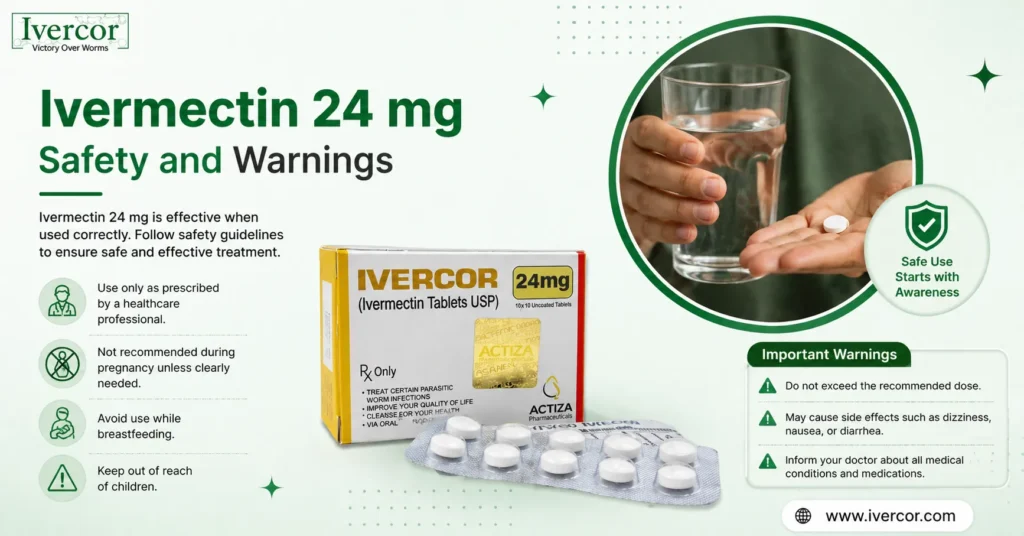
Ivermectin 24 mg Safety and Warnings
Understanding Ivermectin 24 mg: An Overview
Ivermectin is an antiparasitic medication widely used to treat various parasitic infections such as onchocerciasis, strongyloidiasis, and scabies. The 24 mg dosage is commonly prescribed for specific infections based on body weight or medical condition. Given its increasing popularity, it is crucial to understand ivermectin safety, including possible adverse effects and necessary precautions before starting treatment.
Ivermectin Safety: Key Considerations
While ivermectin is generally considered safe when used as prescribed, several factors influence its safety profile. The following points highlight the essential considerations to ensure safe usage:
- Correct Dosage: Dosage depends primarily on body weight and the type of infection being treated. Taking higher doses such as 24 mg without medical direction can increase the risk of adverse effects.
- Medical Supervision: Always use ivermectin under the guidance of a healthcare provider to monitor for any side effects or drug interactions.
- Contraindications: Certain conditions and medications may contraindicate the use of ivermectin, making consultation with a healthcare professional essential.
- Pregnancy and Breastfeeding: The safety of ivermectin during pregnancy or breastfeeding is not fully established. Medical advice should be sought before use.
Common Side Effects of Ivermectin 24 mg
Most patients tolerate ivermectin well, especially when used appropriately. However, side effects can occur, especially at higher doses. Common side effects include:
- Dizziness
- Nausea
- Diarrhea
- Fatigue
- Itching or rash
Most side effects are mild and temporary. If symptoms persist or worsen, it is important to contact a healthcare provider immediately.
Serious Warnings and Precautions
There are some serious warnings to be aware of when considering ivermectin 24 mg:
- Neurological Reactions: High doses may increase the risk of neurological side effects such as confusion, seizures, or balance problems.
- Allergic Reactions: Some patients may experience severe allergic reactions, including swelling, difficulty breathing, or anaphylaxis, requiring immediate emergency care.
- Liver Disease: Patients with liver impairment should use ivermectin cautiously as the drug is metabolized by the liver.
- Drug Interactions: Ivermectin can interact with other medications such as blood thinners, antiseizure drugs, and immunosuppressants.
Special Populations
Understanding how ivermectin affects various populations is critical:
- Children: The safety and dosage may vary; children should only use ivermectin under strict medical supervision.
- Pregnant Women: Limited data on safety; consult a healthcare professional before use.
- Elderly: Older adults may be more susceptible to side effects and should be monitored accordingly.
Proper Administration of Ivermectin 24 mg
To ensure safety and maximize benefits, follow these administration guidelines:
- Take with Water: Swallow the tablet whole with a full glass of water.
- With or Without Food: Ivermectin can be taken with or without food, but consistency in timing can help maintain stable drug levels.
- Avoid Self-Medication: Never self-prescribe ivermectin, especially at doses like 24 mg, without professional consultation.
- Complete the Course: Finish the entire prescribed course to avoid treatment failure or resistance.
Drug Interactions to Consider
Ivermectin can interact with several medications, which may affect the drug’s efficacy or increase side effects:
- Warfarin and Other Blood Thinners: May increase bleeding risk.
- Barbiturates or Anti-Seizure Medications: Could alter ivermectin metabolism.
- Immunosuppressants: Interaction may affect immune response.
Always inform your healthcare provider about all medications and supplements you are taking.
FAQ
Is ivermectin 24 mg safe for everyone?
Ivermectin 24 mg is generally safe for treating specific parasitic infections when prescribed by a healthcare professional. It is not safe for everyone, especially without medical supervision, as individual factors like age, liver health, and concurrent medications affect safety.
What should I do if I miss a dose?
If you miss a dose, take it as soon as you remember unless it is near the time for your next dose. Do not double the dose to make up for the missed one. Consult your doctor if unsure.
Can Ivermectin 24 mg be used to treat viral infections?
Ivermectin is not approved for treating viral infections such as COVID-19. Using ivermectin for unapproved purposes can be dangerous and is not recommended.
What are the symptoms of an allergic reaction to ivermectin?
Signs of an allergic reaction include rash, itching, swelling (especially of the face/tongue/throat), severe dizziness, and difficulty breathing. Seek emergency medical attention if these occur.
How long does ivermectin stay in the system?
The half-life of ivermectin is approximately 18 hours, but it may stay in the body longer depending on individual metabolism, liver function, and dosage.
Final Thoughts on Ivermectin Safety
Ivermectin 24 mg is a powerful medication that, when used correctly and responsibly, offers significant benefits in treating parasitic infections. Prioritizing ivermectin safety by adhering to prescribed doses, understanding warnings, and consulting healthcare professionals ensures both efficacy and minimal risk of adverse effects. Always avoid unauthorized use and seek medical guidance for any concerns related to ivermectin therapy.