Ivermectin Cream and Rosacea: What the Evidence Shows
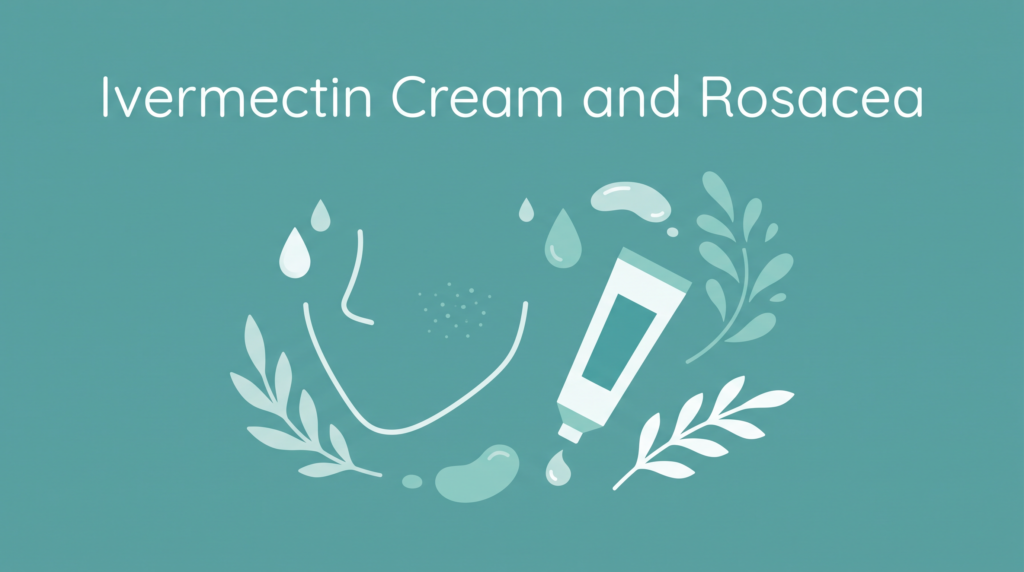
Rosacea is a long-term skin condition that often appears as facial redness, flushing and small bumps that are easy to mistake for acne. Among the treatments a doctor may prescribe is a cream containing ivermectin, a medicine most people know for its role against parasites. That overlap raises plenty of questions, so this guide explains what the cream is, how it is thought to work, and what to discuss with your healthcare provider.
One point comes first. Ivermectin is a prescription medicine, and it should be used only as directed by a doctor or other qualified prescriber. Nothing here replaces personal medical advice, and the information below is general rather than a treatment plan.
Here, “ivermectin cream” means the 1% topical cream made for the face. It is a different product from ivermectin tablets, which are prescribed for certain parasitic infections and are not a treatment for rosacea.
What rosacea is and why it flares
Rosacea is a chronic inflammatory condition, and the public health literature on rosacea causes and symptoms describes a pattern of flare-ups and quieter periods. The exact cause is not fully understood. Genetics, sun exposure, sensitive blood vessels and the microbes that live on the skin are all thought to play a part.
Typical features include:
- Persistent redness across the cheeks, nose or forehead
- Red bumps or pus-filled spots, sometimes called the papulopustular type
- Visible tiny blood vessels
- A burning, stinging or tight feeling
- Eye irritation in some people
Common triggers vary from person to person. Heat, sunlight, spicy food, alcohol, wind and emotional stress are frequently reported. Keeping a simple diary of flare-ups can help your doctor spot your own pattern.
How ivermectin cream is thought to help
Researchers have proposed two explanations, and neither is settled. The first involves Demodex, a tiny mite that lives on everyone’s skin in small numbers. People with rosacea sometimes have higher counts of these mites, and ivermectin is known to act against mites and other parasites.
The second explanation is that ivermectin also has an anti-inflammatory effect on the skin. Since rosacea bumps are driven partly by inflammation, this action may matter as much as any effect on mites. Scientists are still debating how much each mechanism contributes, so it is fair to say the cream’s exact mode of action in rosacea is not fully proven.
What the research suggests
The cream is approved in several countries for the inflammatory bumps and pimples of rosacea. Published trials, typically lasting around three months, compared it with an inactive vehicle cream. In those studies a larger share of people using ivermectin reached a “clear” or “almost clear” rating by the end of treatment.
One head-to-head study also compared it with metronidazole cream, another common rosacea treatment. The ivermectin group did at least as well, and in that study some measures favored it. Even so, a few cautions apply:
- Many of the larger trials were funded by the manufacturer.
- Most ran for months rather than years, so long-term data are more limited.
- Results describe groups of people, and an individual may respond differently.
- The cream mainly targets bumps and spots, and it may do less for flushing or visible blood vessels.
How the cream is usually applied
Directions come from your prescriber and the product label, and they should be followed exactly. The standard approach in the prescribing information style of labeling is a thin layer applied once daily to the affected areas of the face, using a small, pea-sized amount for each area. Typical areas are the forehead, chin, nose and each cheek.
Some general habits help most people:
- Wash the face with a gentle cleanser and pat it dry before applying.
- Keep the cream away from the eyes, lips and the inside of the mouth.
- Wash your hands after use.
- Wait for the cream to absorb before applying moisturizer or sunscreen, unless your doctor says otherwise.
- Use a broad-spectrum sunscreen, because sun is a common trigger.
Improvement is usually gradual. Many people do not see a clear change for several weeks, so stopping early because nothing has happened by day five is common but rarely helpful. If you see no benefit after the period your doctor suggested, ask about alternatives rather than increasing the amount.
Possible side effects and precautions
Topical products are absorbed in much smaller amounts than tablets, and the cream is generally well tolerated. Even so, side effects can occur. The most commonly reported are:
- Skin burning or stinging
- Itching or dryness
- Skin irritation or redness that seems worse at first
Stop using the cream and contact a doctor if you notice swelling of the face, hives, a spreading rash or any sign of an allergic reaction. If irritation is severe or lasts, a prescriber may suggest using the cream less often or switching treatments.
Tell your doctor or pharmacist about every medicine and supplement you use, including other skin products. Our guide to drug interactions explains why this matters even when a medicine is applied to the skin. People who are pregnant, planning pregnancy or breastfeeding should ask a clinician before use, and the post on pregnancy and breastfeeding outlines what official labeling generally says about ivermectin in those situations.
Store the tube as the label directs and keep it out of the reach of children and pets. For general guidance, see our article on storing ivermectin, and remember that tubes and tablets can have different storage instructions.
Ivermectin cream, lotion and tablets: not interchangeable
Ivermectin comes in several forms, and each is made for a specific purpose. The 1% face cream is designed for rosacea. A separate lotion is used for head lice, as described in the article on ivermectin lotion. Tablets are taken by mouth for particular parasitic infections under medical supervision.
Using a product for something it was not made for can cause harm or simply fail to work. Do not substitute tablets, veterinary products or lotions for a prescribed rosacea cream, and never apply a product made for animals to your skin.
Rosacea can also be confused with other conditions. A persistent itch with a rash, for example, may point to scabies instead, which is confirmed by methods such as skin scrapings. If an itch lingers, the article on post-scabies itching explains why irritation can continue after treatment. A clinician can tell these conditions apart far better than self-diagnosis.
When to see a doctor
Book an appointment if:
- Redness or bumps on your face last for more than a few weeks
- Your eyes feel gritty, sore or red, since rosacea can affect them
- Over-the-counter products make your skin worse
- You are unsure whether a rash is rosacea, acne or something else
- You develop signs of an allergic reaction after using any cream
A doctor can confirm the diagnosis, review triggers and choose a treatment that suits your skin type and medical history.
Frequently asked questions
Is ivermectin cream available without a prescription?
In most countries the rosacea cream is a prescription medicine, although rules differ by location. A pharmacist or doctor can explain what applies where you live.
How long does it take to work?
Improvement tends to be gradual. Trials measured results after about three months, so patience matters, and your doctor will decide when to review progress.
Can I take ivermectin tablets for rosacea?
Tablets are not a recognized rosacea treatment. They are prescribed for specific parasitic infections, and taking them for a skin condition without medical direction is not advised.
Will rosacea come back after treatment?
Rosacea is long-term, and symptoms can return after a period of improvement. Many people keep managing it with trigger avoidance, sun protection and ongoing medical follow-up.
Is it safe around the eyes?
The cream is intended for the face but should not go into the eyes. If it does, rinse thoroughly with water and seek advice if irritation continues.
This article is for general information only and is not a substitute for professional medical advice, diagnosis or treatment.