Ivermectin 24 mg and Alcohol Interaction
Understanding Ivermectin 24 mg and Alcohol Interaction
Ivermectin is an antiparasitic medication widely used in the treatment of various parasitic infections including river blindness, scabies, and strongyloidiasis. The 24 mg dosage is commonly prescribed depending on the infection’s severity and patient weight. Given the prevalence of alcohol consumption worldwide, it is essential to understand how ivermectin interacts with alcohol to ensure patient safety and optimize treatment outcomes.
What is Ivermectin?
Ivermectin works by interfering with the nervous system of parasites, leading to their paralysis and death. It is taken orally and is known for its broad-spectrum antiparasitic action. The drug is generally well tolerated, but like all medications, it has potential side effects and drug interactions that must be carefully considered.
Common Uses of Ivermectin 24 mg
- Treatment of onchocerciasis (river blindness)
- Strongyloidiasis treatment
- Scabies treatment (off-label in certain cases)
- Other systemic parasitic infections as prescribed
Alcohol and Its Effects on the Body
Alcohol is a central nervous system depressant affecting brain function, coordination, and liver metabolism. When consumed, it is rapidly absorbed into the bloodstream and metabolized primarily by the liver through the enzyme alcohol dehydrogenase. Alcohol use can impact medication metabolism and increase the risk of adverse effects.
Potential Interaction Between Ivermectin and Alcohol
The interaction between ivermectin and alcohol has not been extensively studied, but certain pharmacological principles indicate potential risks:
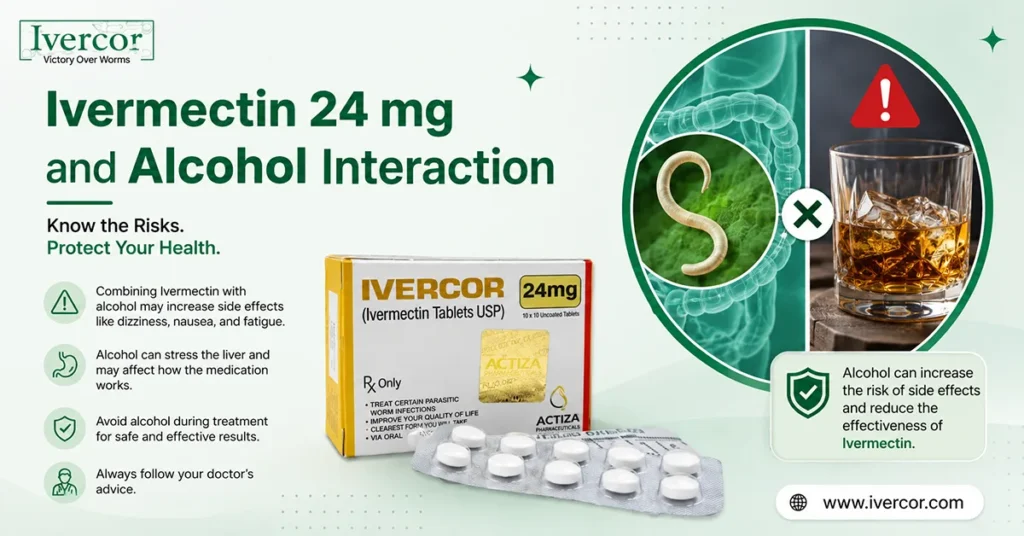
- CNS Depression: Both alcohol and ivermectin may cause central nervous system (CNS) effects such as dizziness, drowsiness, and fatigue. When combined, these effects might be amplified, increasing the risk of accidents and impairing mental alertness.
- Liver Metabolism: Ivermectin is metabolized in the liver via cytochrome P450 enzymes. Alcohol consumption can affect liver enzyme activity, potentially altering ivermectin metabolism, leading to either increased toxicity or reduced effectiveness.
- Immune System Effects: Alcohol can weaken the immune system, which might impact the body’s ability to fight infections even when treated with ivermectin.
Risks of Combining Ivermectin 24 mg with Alcohol
Although no direct contraindications exist, combining ivermectin with alcohol is not generally recommended. The risks include:
- Increased Side Effects: Enhanced dizziness, nausea, vomiting, and fatigue may occur.
- Liver Strain: Both substances require liver metabolism, potentially overburdening this organ and leading to liver damage or elevated liver enzymes.
- Impaired Treatment Efficacy: Alcohol could interfere with ivermectin absorption or metabolism, reducing its effectiveness in clearing infections.
- Dehydration Risk: Alcohol’s diuretic properties coupled with ivermectin side effects may increase dehydration risk, complicating recovery.
Clinical Guidance and Safety Precautions
Healthcare professionals typically advise patients to avoid alcohol consumption during ivermectin treatment. Here are some key recommendations:
- Avoid Alcohol: Abstain from alcohol at least during the course of ivermectin therapy to minimize side effects and optimize treatment results.
- Inform Healthcare Providers: Always disclose alcohol use when consulting a healthcare provider to assess risks properly.
- Monitor for Symptoms: Pay attention to increased side effects such as dizziness, nausea, or unusual fatigue and seek medical advice promptly.
- Liver Health Check: Patients with pre-existing liver conditions should be cautious and discuss alternative treatments if necessary.
Common Side Effects of Ivermectin
Understanding ivermectin’s side effects helps identify if alcohol worsens them. Common side effects include:
- Dizziness
- Nausea and vomiting
- Diarrhea
- Fatigue
- Headache
- Rash or skin irritation
If combined with alcohol, these side effects may intensify, affecting overall well-being.
Special Considerations
Some populations require additional caution when combining ivermectin and alcohol:
- Individuals with Liver Disease: Increased risk of toxicity due to compromised liver metabolism.
- Elderly Patients: Higher sensitivity to CNS depressant effects, increasing fall risk.
- Patients on Multiple Medications: Potential for drug interactions exacerbated by alcohol consumption.
Conclusion
While there is limited direct clinical evidence of severe interactions between ivermectin 24 mg and alcohol, the theoretical risks of increased side effects, impaired liver function, and reduced drug efficacy make it prudent to avoid alcohol during ivermectin treatment. Following professional medical advice and adopting safety precautions can help ensure effective and safe therapy.
FAQ
Can I drink alcohol while taking ivermectin 24 mg?
It is generally recommended to avoid alcohol while taking ivermectin to prevent increased side effects and potential liver strain.
What happens if I mix ivermectin and alcohol?
Mixing ivermectin with alcohol may intensify side effects such as dizziness and nausea and may put additional stress on the liver, potentially affecting treatment outcomes.
Is it safe to drink alcohol after finishing ivermectin treatment?
Alcohol consumption is safer after completing ivermectin therapy, but it is advisable to wait until the medication is fully cleared from your system and side effects have resolved.
Does alcohol reduce the effectiveness of ivermectin?
Alcohol might alter liver metabolism, potentially reducing the effectiveness of ivermectin, but conclusive evidence is limited.
Should people with liver disease avoid ivermectin and alcohol?
Yes, people with liver disease should avoid both ivermectin and alcohol or only use under strict medical supervision to prevent liver complications.