Ivermectin 24 mg vs 12 mg: Which is Better?
Ivermectin 24 mg vs 12 mg: Which Dosage is Right for You?
When dealing with parasitic infections, the effectiveness of the treatment often depends on getting the dosage exactly right. One of the most common debates among patients and even some practitioners is the comparison of ivermectin 24 vs 12 mg. Ivermectin is a Nobel Prize-winning medication that has transformed the treatment of several tropical diseases. Originally approved for veterinary use, it was later found to be incredibly effective in humans for conditions like river blindness, formally known as onchocerciasis, and intestinal threadworms, known as strongyloidiasis. As medical research evolves, the discussion around higher dosages like 24 mg has become more frequent, especially for individuals with higher body weights or more severe cases of infestation. However, choosing between these two doses is not a matter of “more is better” but rather what is appropriate for the individual. In this comprehensive guide, we will explore the differences, the safety profiles, and the specific scenarios where one might be preferred over the other to help you understand the nuances of this powerful medication.
Understanding the Basics of Ivermectin Dosing
Ivermectin works by paralyzing and killing the larvae or adult stages of certain parasites. It does this by binding to specific glutamate-gated chloride channels in the nerve and muscle cells of the parasite, leading to an influx of chloride ions. This disruption stops the parasite in its tracks, causing paralysis and eventual death, which allows the human immune system to flush it out. The standard dosing protocol for ivermectin is traditionally based on body weight, typically calculated at 200 micrograms per kilogram of body weight. For a person weighing approximately 60 kilograms (about 132 pounds), a 12 mg dose is usually the standard recommendation. However, for those weighing 120 kilograms or more, the calculation naturally moves toward the 24 mg range. This is why the ivermectin 24 vs 12 mg discussion is so dependent on the physical profile of the patient. Taking a dose that is too low may fail to clear the infection, leading to a recurrence or the development of drug resistance. Conversely, taking a dose that is too high without medical supervision can increase the risk of adverse reactions and toxicity.
The Direct Comparison: Ivermectin 24 vs 12 mg
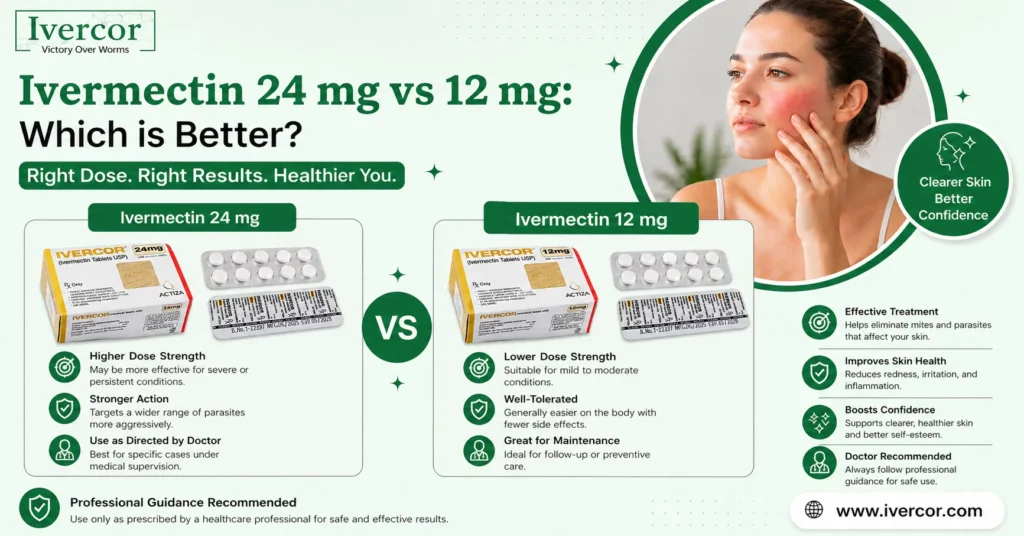
When we look at ivermectin 24 vs 12 mg, we are essentially looking at a single dose versus a double-strength dose for most standard treatments. A 12 mg dose is often dispensed as four 3 mg tablets or one 12 mg tablet, depending on the manufacturer and the region. It is the most common starting point for adult patients across the globe. On the other hand, 24 mg is a high-potency dose that is usually reserved for specific situations. For instance, in clinical trials involving certain stubborn skin conditions like crusted scabies, doctors may opt for a higher initial hit to ensure the parasite load is significantly reduced. The 24 mg dose is also more common in regions where the average body mass index of the population is higher. It is important to note that ivermectin has a relatively high safety margin, but doubling the dose also doubles the concentration of the drug in the bloodstream, which can tax the liver more heavily if not managed correctly. Therefore, the decision between 24 mg and 12 mg should always be backed by a professional medical assessment and a clear understanding of the patient’s current health status.
When is a 12 mg Dose Sufficient?
For the vast majority of patients, 12 mg is the standard and effective dose. If you are suffering from a standard case of intestinal parasites or head lice that has not responded to topical treatments, 12 mg provides enough active ingredient to disrupt the life cycle of the invaders. This dosage is widely studied and has a long history of clinical success. It is particularly preferred for individuals who may have underlying health conditions or those who are taking other medications that might interact with ivermectin. Because 12 mg is metabolized relatively quickly, the side effects are generally mild and short-lived. Patients often find that a single 12 mg dose, perhaps repeated after two weeks to catch any newly hatched larvae, is all they need to achieve a full recovery. In the context of ivermectin 24 vs 12 mg, the 12 mg option remains the conservative and primary choice for general health scenarios and is the dosage most frequently stocked by community pharmacies.
When Should You Consider 24 mg?
The consideration for an Ivermectin 24 mg dose usually arises under two primary conditions: body weight and the severity of the infection. For individuals who are categorized as obese or have a significantly large frame, the standard 12 mg dose may be diluted too much within the body’s tissues to be effective. In these cases, moving toward 24 mg ensures that the concentration of the drug reaches the therapeutic threshold necessary to kill the parasites effectively. Additionally, certain hard-to-treat infections, such as those that have become chronic or those that involve a massive internal parasitic load, may require the higher potency of 24 mg. Medical professionals might also prescribe 24 mg in specific protocols where a one-time high dose is deemed more effective than multiple smaller doses over a long period. However, this higher dosage is usually monitored closely to ensure that the patient does not experience neurotoxicity or severe gastrointestinal distress. It is never recommended to jump to a 24 mg dose without a explicit prescription from a doctor who has calculated your specific needs.
Safety and Side Effects: 12 mg vs 24 mg
Safety is the most important factor when comparing ivermectin 24 vs 12 mg. Generally, ivermectin is well-tolerated, but the risk of side effects does increase as the dosage goes up. At 12 mg, common side effects include mild dizziness, nausea, and occasional skin rashes. These are usually the result of the body reacting to the dying parasites, known as the Mazzotti reaction, rather than a reaction to the drug itself. When the dosage is increased to 24 mg, these symptoms can become more pronounced. Some patients report significant fatigue, headaches, and even a temporary drop in blood pressure. More serious side effects, though rare, can include confusion or loss of balance. This is because ivermectin can, in very high doses or in people with certain genetic predispositions, cross the blood-brain barrier. Monitoring your body’s response is essential, and if you are taking the 24 mg dose, it is often recommended to stay hydrated and avoid strenuous activities for at least 24 to 48 hours after administration to let your body process the medication.
Common Side Effects to Watch For
- Dizziness and lightheadedness when standing up quickly
- Nausea, vomiting, or general stomach discomfort
- Mild skin itching, hives, or redness
- Swelling of the lymph nodes in the neck or armpits
- Joint pain or muscle aches during the first 24 hours
- Increased heart rate or palpitations
While these side effects are often manageable, they highlight why the choice between 12 mg and 24 mg is not trivial. If you experience severe symptoms like blurred vision, inability to walk, or extreme confusion, seek medical help immediately, as these could indicate a rare but serious reaction to the higher concentration of the drug. It is also wise to inform your doctor of any pre-existing liver conditions, as the liver is the primary organ responsible for breaking down this medication.
How to Take Your Prescribed Dose Correctly
Regardless of whether you are taking ivermectin 24 vs 12 mg, the method of administration is vital for maximum absorption and safety. Ivermectin should typically be taken on an empty stomach, at least one hour before or two hours after a meal. This is because food, especially fatty meals, can significantly change how the drug is absorbed into the bloodstream. While increased absorption might sound beneficial, it can sometimes lead to unpredictably high levels of the drug in the system, increasing the risk of neurological side effects. Always take the tablets with a full glass of water. If your doctor has prescribed 24 mg, you might be instructed to take all the tablets at once or split them into two sessions; follow their guidance exactly to ensure the parasites are targeted during their most vulnerable phase. Never attempt to double up on a missed dose, and always ensure you are sourcing your medication from a reputable pharmacy to avoid counterfeit products that may not contain the correct milligram strength or high-quality ingredients.
Ivermectin 24 vs 12 mg: Frequently Asked Questions
Can I take two 12 mg doses instead of one 24 mg dose?
Yes, pharmacologically speaking, taking two 12 mg tablets is the same as taking a single 24 mg dose, provided they are taken at the exact same time. However, you should only do this if a healthcare provider has specifically instructed you to reach a 24 mg total. Self-adjusting your dose can lead to complications, especially if your body weight does not justify such a high amount of the medication, which can lead to unnecessary toxicity.
Is ivermectin 24 mg better for heavy infestations?
In many cases, yes. For severe or crusted scabies and heavy loads of intestinal parasites, a higher dose like 24 mg may be necessary to ensure all parasites are reached and eliminated. However, a doctor may also suggest a repeated 12 mg dose over several weeks instead of one massive 24 mg dose to reduce the burden on your liver and minimize the intensity of side effects while still maintaining long-term efficacy.
How do I calculate the right dose for my weight?
The standard calculation used by many global health organizations is 200 mcg per kilogram of body weight. To find your approximate dose, you multiply your weight in kilograms by 0.2. For example, if you weigh 80 kg, 80 x 0.2 equals 16 mg. In this case, a doctor might round your dose to 15 mg or 18 mg. If you weigh 120 kg, 120 x 0.2 equals 24 mg. This weight-based logic is the primary reason why the ivermectin 24 vs 12 mg debate exists.
Can I drink alcohol while taking these doses?
It is strongly advised to avoid alcohol when taking ivermectin at any dosage, but especially at 24 mg. Alcohol can enhance the sedative effects of the medication and may increase the risk of neurological side effects like coordination loss or confusion. Since both ivermectin and alcohol are processed by the liver, combining them can put unnecessary strain on your internal organs during the treatment period when they are already working hard to process the medication and the waste from dying parasites.
Final Verdict on Ivermectin 24 vs 12 mg
In the end, neither dose is inherently better in a vacuum; they are simply different tools used for different clinical scenarios. The comparison of ivermectin 24 vs 12 mg boils down to individual requirements and the specific nature of the parasitic threat. A 12 mg dose remains the standard, safe, and effective choice for the majority of the population with average body weights and standard parasitic infections. Conversely, a 24 mg dose is a powerful and necessary alternative for those with higher body mass or more resilient, severe infections that require a stronger pharmacological response. The most important step you can take is to consult with a medical professional who can evaluate your weight, your health history, and the specific type of parasite you are fighting. By following professional advice and taking the medication correctly on an empty stomach, you can ensure that you clear your infection safely and get back to your optimal health. Always remember that when it comes to potent antiparasitic medications, precision is far more valuable than quantity, so make sure your choice is guided by science and medical expertise.