

What is Ivermectin 24 mg and How Does It Work?
In the world of modern medicine, few drugs have had as significant an impact on global health as Ivermectin. Originally discovered in the 1970s, this medication has evolved from a veterinary miracle into a Nobel Prize-winning treatment for humans. While it is available in various strengths, ivermectin 24 mg is a specific dosage often prescribed for individuals dealing with significant parasitic infections. Understanding what this medication is, how it functions within the human body, and why the 24 mg concentration is used is essential for anyone prescribed this treatment. This comprehensive guide will explore the intricacies of ivermectin 24 mg, its mechanism of action, its therapeutic uses, and the safety protocols required for its administration.
The Evolution and Significance of Ivermectin
Ivermectin belongs to a class of medications known as anthelmintics. It was derived from the bacterium Streptomyces avermitilis, found in a soil sample in Japan. For decades, it was primarily used in veterinary medicine to treat heartworm and various internal parasites in livestock and pets. However, its transition to human medicine changed the landscape of tropical disease management. In many parts of the world, it is the primary weapon against “neglected tropical diseases” like River Blindness and Elephantiasis. When we talk about ivermectin 24 mg, we are referring to a high-potency version of this drug. Most standard tablets come in 3 mg or 6 mg increments. Therefore, a 24 mg dose usually involves taking multiple tablets or a specific high-concentration formulation to achieve the necessary therapeutic levels in the bloodstream. This specific dosage is typically reserved for adult patients whose body weight or the severity of their infection necessitates a more robust intervention.
Understanding the Mechanism: How Ivermectin 24 mg Works
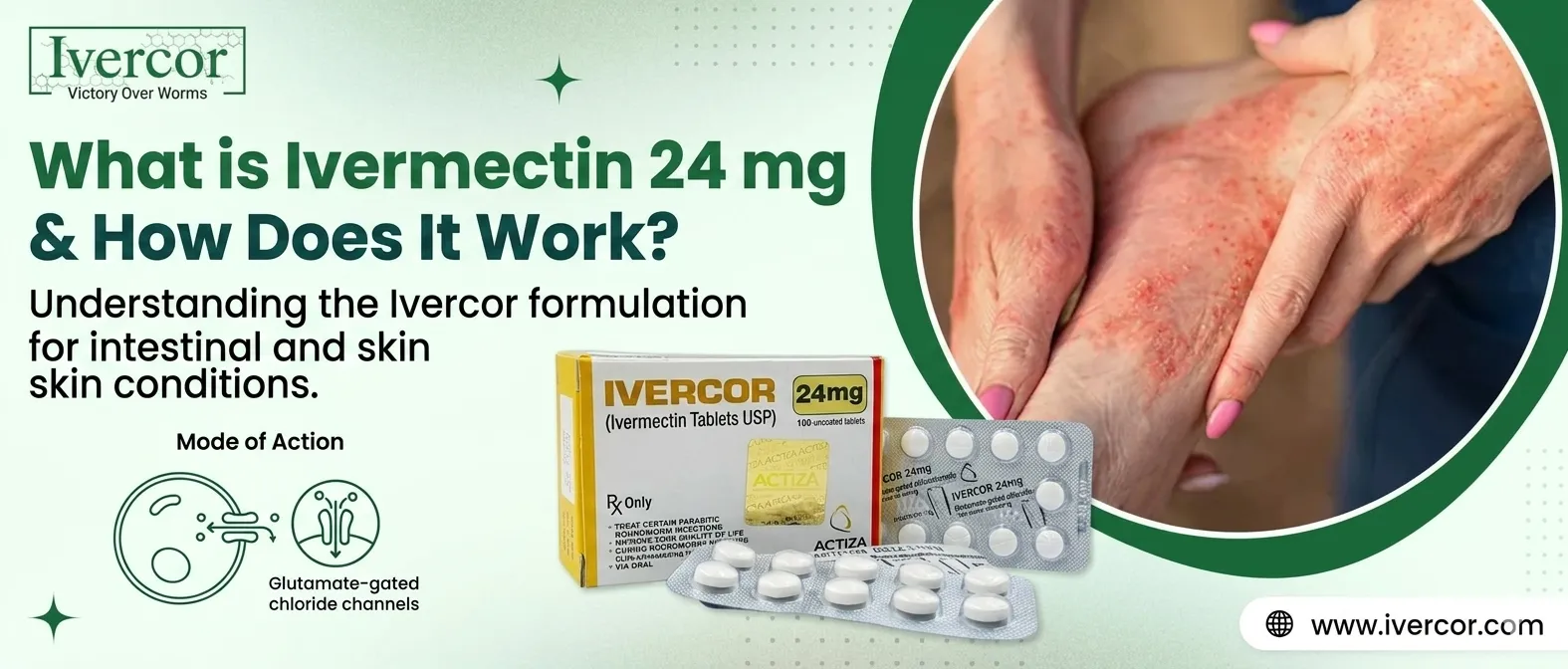
The primary reason ivermectin is so effective is its unique mechanism of action against parasites. To understand how ivermectin 24 mg works, we must look at the cellular level of the organisms it targets. Ivermectin works by binding to specific structures called glutamate-gated chloride channels. these channels are found in the nerve and muscle cells of many parasites but are not present in the same way in humans. When the medication binds to these channels, it causes an increase in the permeability of the cell membrane to chloride ions. This leads to a state called hyperpolarization, which effectively shuts down the parasite’s nervous system. The result is total paralysis of the parasite. Once paralyzed, the organism can no longer feed or reproduce. In many cases, the parasite eventually dies or is simply flushed out of the body by the natural processes of the human immune system and digestive tract. Because humans have a blood-brain barrier that prevents ivermectin from reaching similar channels in our own nervous systems, the drug is generally safe for us while being lethal to the invaders.
The Importance of Weight-Based Dosing
One of the most critical aspects of using ivermectin 24 mg is the calculation of the dose. Unlike some medications that follow a “one size fits all” approach, Ivermectin is almost always dosed based on the patient’s body weight. The standard medical guideline for many parasitic infections is approximately 200 micrograms of the drug per kilogram of body weight. For a person weighing approximately 120 kilograms (roughly 264 pounds), a dose of ivermectin 24 mg would be the appropriate amount to ensure the drug reaches every part of the body where parasites might be hiding. If the dose is too low, the parasites might survive; if it is too high, the risk of side effects increases. Therefore, the 24 mg threshold is a strategic calculation made by healthcare providers to maximize efficacy in larger individuals or those with high parasitic loads.
Common Uses for Ivermectin 24 mg
While Ivermectin has been discussed in various contexts in recent years, its primary approved uses remain focused on parasitic infections. For individuals prescribed ivermectin 24 mg, the diagnosis often falls into one of several categories. One of the most common is Strongyloidiasis, a condition caused by threadworms that live in the intestines. These worms can cause severe abdominal pain and respiratory issues if left untreated. Another major use is for Onchocerciasis, also known as River Blindness. This condition is caused by a type of roundworm transmitted by blackflies. Ivermectin 24 mg helps clear the larvae (microfilariae) from the skin and eyes, preventing the permanent blindness that once devastated entire communities. Additionally, this dosage may be used off-label for severe or crusted scabies, a condition where tiny mites burrow into the skin. In such cases, the high dose is necessary to ensure that every mite is eliminated, preventing a recurrence of the highly contagious infestation.
What to Expect When Taking Ivermectin 24 mg
Taking a dose of ivermectin 24 mg is usually a straightforward process, but there are specific instructions that must be followed to ensure the drug is absorbed correctly. Most doctors recommend taking the medication on an empty stomach, typically one hour before or two hours after a meal. This is because food, especially high-fat meals, can significantly change how the body absorbs the drug. Patients should drink a full glass of water with their tablets. Depending on the infection being treated, a single dose of ivermectin 24 mg may be enough to clear the problem. However, for certain conditions like Onchocerciasis, repeat doses may be required every few months because the drug kills the larvae but not the adult worms, which can live inside the human body for many years. It is vital to follow the follow-up schedule provided by a medical professional to ensure the infection is completely eradicated.
Potential Side Effects and Safety Precautions
Like any potent medication, ivermectin 24 mg can cause side effects, though they are generally mild and temporary. Common reactions include dizziness, nausea, diarrhea, or a mild stomach ache. Some people may experience a slight skin rash or itching. It is important to note that when treating conditions like River Blindness, patients may experience what is known as a Mazzotti reaction. This isn’t necessarily a side effect of the drug itself, but rather the body’s inflammatory response to the sudden death of millions of parasitic larvae. This can result in fever, joint pain, and swollen lymph nodes. Before starting ivermectin 24 mg, it is crucial to inform your doctor about your medical history, especially if you have liver problems, as the drug is processed by the liver. Furthermore, the drug should not be used by pregnant women or those with certain neurological conditions that might weaken the blood-brain barrier.
Ivermectin 24 mg and Drug Interactions
Interaction with other substances is always a concern with high-dose medications. When taking ivermectin 24 mg, patients should be cautious about mixing it with other drugs that affect the central nervous system, such as barbiturates or certain anti-anxiety medications. Additionally, alcohol should be avoided during the treatment period as it can increase the concentration of the drug in the blood, potentially leading to more severe side effects. Always provide a full list of supplements and over-the-counter medications to your healthcare provider before beginning treatment. This transparency ensures that the ivermectin 24 mg can do its job without interference from other chemical compounds in your system.
FAQ: Is Ivermectin 24 mg safe for children?
Generally, Ivermectin is only prescribed for children who weigh at least 15 kilograms (33 pounds). Because ivermectin 24 mg is a high dose, it is rarely used for children unless they are much older or meet the weight requirements. Pediatric dosing is handled with extreme caution and precision by specialists.
FAQ: Can I use Ivermectin 24 mg for COVID-19?
While there has been significant public debate regarding Ivermectin and viral infections, the primary medical consensus and major health organizations like the FDA and WHO currently do not recommend ivermectin 24 mg for the treatment of COVID-19 outside of clinical trials. The drug remains officially approved as an antiparasitic agent.
FAQ: How long does it stay in your system?
Ivermectin has a relatively long half-life, meaning it stays in the body for several days. After taking ivermectin 24 mg, the drug can typically be detected in the bloodstream for up to 12 to 18 hours at its peak, but its metabolites may linger for much longer to continue the process of eliminating parasites.
FAQ: Does it kill adult worms or just larvae?
In many parasitic conditions, ivermectin 24 mg is highly effective at killing the larvae (microfilariae) but may not kill the adult worms immediately. This is why repeated dosing over months or years is sometimes necessary to manage the lifecycle of the parasite until the adults die of natural causes.
FAQ: Can I take ivermectin 24 mg without a prescription?
No, you should never take ivermectin 24 mg without a valid prescription from a licensed healthcare provider. Because the dosage must be precisely calculated based on your weight and the specific type of infection, self-medicating can lead to toxicity or an ineffective treatment that allows the parasites to develop resistance.
Conclusion: The Role of Ivermectin 24 mg in Modern Health
Ivermectin 24 mg remains a vital tool in the global fight against parasitic diseases. By understanding that this medication works by paralyzing the nervous systems of harmful organisms, patients can better appreciate the science behind their recovery. While the dose may seem high, it is a carefully calculated amount designed to protect the health of larger individuals or those facing aggressive infections. When taken correctly under medical supervision, ivermectin 24 mg is a safe and highly effective treatment that continues to improve the lives of millions of people worldwide by liberating them from the burden of parasitic illness. Always prioritize professional medical advice and adhere to prescribed guidelines to ensure the best possible outcome for your health and well-being.

Comments (0)
Leave A Comment