Ivermectin 24 mg for Scabies Treatment
Understanding Scabies and Its Treatment
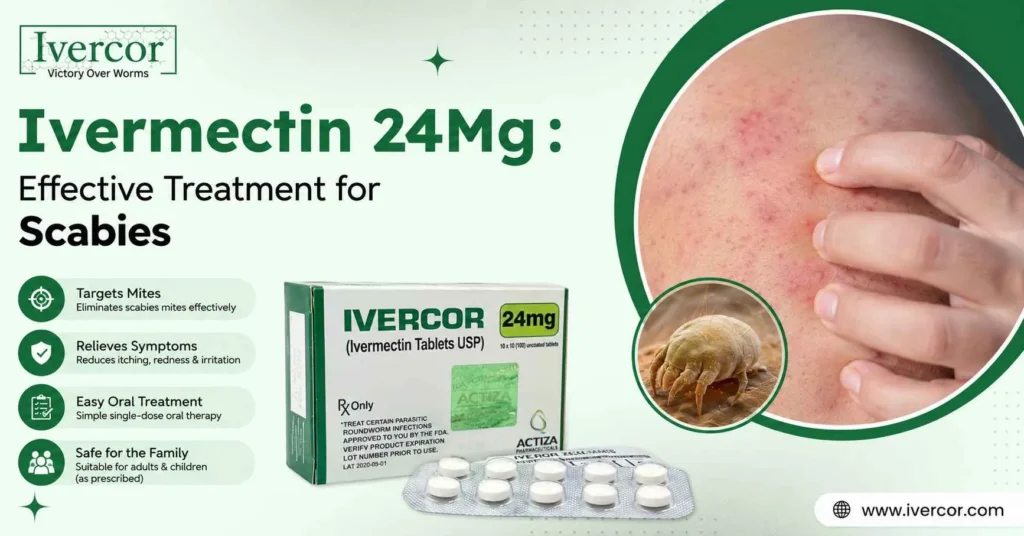
Scabies is a contagious skin condition caused by the infestation of the microscopic mite Sarcoptes scabiei. This parasite burrows under the skin, causing intense itching and a rash characterized by small blisters and sores. The condition spreads through close physical contact or through infested bedding, clothes, and furniture.
Traditionally, scabies treatment involved topical medications like permethrin cream, but oral treatments such as ivermectin have gained popularity because of their effectiveness and ease of use.
What is Ivermectin?
Ivermectin is an antiparasitic medication widely used to treat various parasitic infections, including scabies. Initially developed to treat river blindness and other parasitic diseases, ivermectin has proven to be highly effective against scabies mites. It works by paralyzing and killing the mites that cause the infestation.
Why Use Ivermectin 24 mg for Scabies?
The 24 mg dose of ivermectin is one of the commonly prescribed oral dosages specifically tailored for scabies treatment, especially for adults. It is favored for its convenience as it requires fewer applications compared to topical treatments.
- Convenient dosing: Oral ivermectin in 24 mg doses can be administered in just one or two doses.
- Effective treatment: It targets the scabies mites quickly and efficiently.
- Suitable for widespread or crusted scabies: Particularly useful in severe cases.
How Does Ivermectin Treat Scabies?
Ivermectin targets the nervous system of the scabies mites. It binds to specific chloride channels in nerve and muscle cells, causing increased permeability to chloride ions. This process results in paralysis and eventual death of the mites, eliminating the infestation.
Because ivermectin works systemically, it allows treatment of the entire body quickly without the need to cover every single affected area externally, unlike topical creams.
Dosage and Administration
The standard dosing regimen for ivermectin scabies treatment in adults typically involves:
- One oral dose of 200 micrograms per kilogram of body weight, which usually approximates to a 24 mg tablet for many adult patients.
- A second dose after 7 to 14 days may be recommended to ensure all mites and eggs are eradicated.
It is critical to follow the healthcare provider’s instructions when taking ivermectin and not self-adjust the dosage. Additionally, careful consideration must be taken when treating children, pregnant women, and individuals with compromised immune systems.
Advantages of Ivermectin over Topical Treatments
- Ease of use: Oral administration is less messy and less time-consuming than applying topical creams over the entire body.
- Improved compliance: Patients may find it easier to complete treatment.
- Effective for crusted scabies: Topical treatments sometimes fail with severe infestations due to thick crusts obstructing penetration.
- Reduced risk of skin irritation: Topical scabicides can sometimes cause skin redness or burning sensations, which oral ivermectin avoids.
Possible Side Effects of Ivermectin
While ivermectin is generally well-tolerated, some patients may experience mild side effects. Common side effects include:
- Dizziness
- Fatigue
- Diarrhea
- Nausea
- Skin rash
Rarely, more serious allergic reactions may occur, especially if mites die rapidly and cause inflammatory reactions known as post-scabietic itch. In such cases, healthcare providers may recommend anti-inflammatory or antihistamine medications.
Considerations and Precautions
Before using ivermectin for scabies, inform your physician about:
- Pregnancy or breastfeeding status
- Existing health conditions like liver or kidney disease
- Current medications or allergies
It is essential to treat all close contacts simultaneously to prevent reinfestation. Additionally, washing clothes, bedding, and towels in hot water can help eliminate mites from the environment.
Conclusion
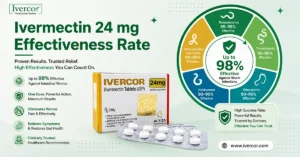
Ivermectin 24 mg is a highly effective oral treatment for scabies, especially beneficial for patients who prefer an easy-to-administer option or have severe forms of the infestation. Its ability to work systemically, combined with minimal side effects and ease of dosing, makes it a reliable choice in scabies management.
FAQ
How long does it take for ivermectin to cure scabies?
Most patients experience significant relief within a few days after taking ivermectin, but it may take up to 2 weeks to see complete resolution of symptoms.
Is ivermectin 24 mg safe for children?
Ivermectin dosing in children is weight-based and should only be given under medical supervision. The 24 mg dose is typically for adults, and pediatric doses are adjusted accordingly.
Can Ivermectin be used during pregnancy?
Ivermectin is generally not recommended during pregnancy or breastfeeding due to limited safety data. Consult a healthcare provider for alternative treatments if you are pregnant.
Do I need to treat my family members if I have scabies?
Yes, all close contacts should be treated simultaneously to prevent reinfestation and control the spread of scabies.
What should I do after taking ivermectin?
After treatment, wash all clothes, bedding, and towels in hot water and vacuum living areas to remove mites from the environment. Follow up with your doctor if symptoms persist.