Ivermectin 24 mg Before or After Food?
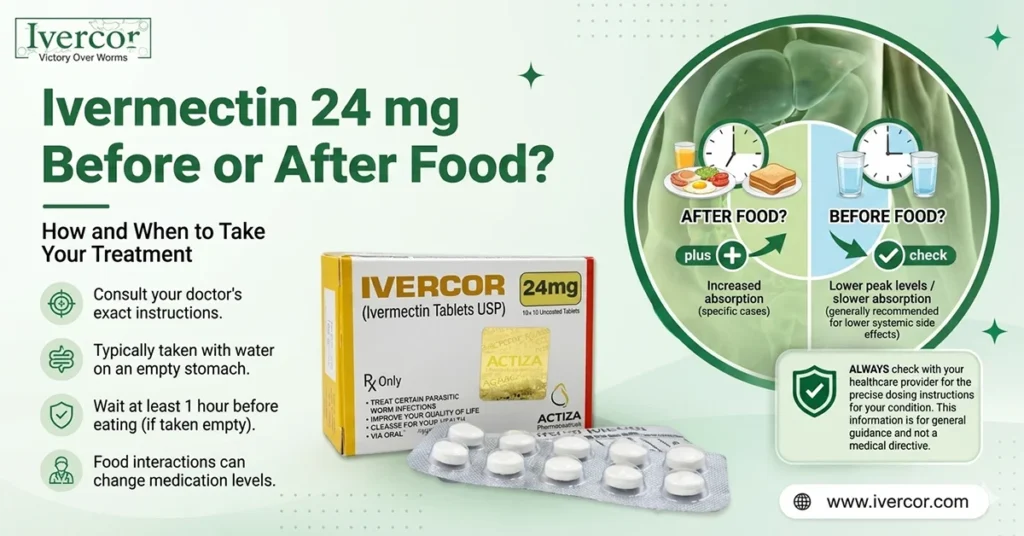
Ivermectin 24 mg Before or After Food?
Ivermectin is a widely-used antiparasitic medication that effectively treats various parasitic infections. For people prescribed the 24 mg dose, a common question arises: Should ivermectin be taken before or after food? The timing of ivermectin intake in relation to meals can impact its absorption and overall effectiveness. This blog post will provide comprehensive information on ivermectin food timing, helping you optimize your treatment.
What Is Ivermectin 24 mg?
Ivermectin is an oral medication primarily used to treat infections caused by parasites, such as strongyloidiasis, onchocerciasis, and scabies. Sometimes, the 24 mg dose is prescribed for adult patients depending on weight and infection severity. The medication works by binding to specific receptors in parasites, leading to paralysis and death of these organisms.
Does Food Affect Ivermectin Absorption?
Understanding whether ivermectin absorption is influenced by food is critical for effective treatment. Many drugs have their pharmacokinetics altered by food, which can impact the drug’s efficacy or increase side effects. Ivermectin is no exception.
Several clinical studies have shown that taking ivermectin with food, especially a high-fat meal, can significantly increase its absorption:
- Increased bioavailability: Food, particularly fatty meals, enhances the solubility and absorption of ivermectin in the gastrointestinal tract.
- Peak plasma concentration: Consumption with food raises the peak plasma levels of ivermectin, improving its effectiveness.
On the contrary, taking ivermectin on an empty stomach may lead to lower blood concentrations, potentially reducing its antiparasitic action.
Recommended Ivermectin Food Timing
Based on clinical evidence, healthcare providers generally recommend taking ivermectin after a meal or with food for enhanced absorption and better therapeutic outcomes.
Why Take Ivermectin After Food?
- Improved absorption: Food increases ivermectin’s bioavailability, which can help the medication reach optimal levels in your bloodstream.
- Reduced gastrointestinal discomfort: Taking ivermectin with food may minimize nausea or stomach upset, which some patients experience when taking the medication on an empty stomach.
- Consistency and effectiveness: A regular schedule after meals ensures you don’t miss a dose, supporting successful treatment.
How to Take Ivermectin 24 mg With Food
Here are some tips to remember when taking ivermectin with food:
- Choose a meal with some fat content (e.g., eggs, cheese, peanut butter) to optimize absorption.
- Swallow the tablet whole with a glass of water.
- Avoid taking ivermectin with alcohol as it may increase the risk of side effects.
- Stick to the prescribed dosing schedule and avoid missing doses.
Potential Side Effects of Ivermectin
Although ivermectin is generally well-tolerated, some individuals might experience side effects. Taking it with food may reduce gastrointestinal issues such as:
- Nausea
- Diarrhea
- Abdominal pain
- Dizziness
If you have any unusual or severe symptoms after taking ivermectin, contact your healthcare professional immediately.
Special Considerations for Ivermectin Food Timing
While the general advice is to take ivermectin after food, certain factors may require a tailored approach:
- Medical conditions: Patients with digestive issues or swallowing difficulties should consult their doctor for customized instructions.
- Drug interactions: Inform your healthcare provider about all medications and supplements you take to avoid interactions impacting ivermectin absorption.
- Children and elderly patients: Special dosing and administration instructions may apply.
Summary: Best Practices for Taking Ivermectin 24 mg
- Always follow your healthcare provider’s instructions regarding ivermectin dosage and timing.
- Taking ivermectin 24 mg after food or with a meal enhances absorption and effectiveness.
- Choose a meal containing some fat to optimize drug uptake.
- If you experience side effects, discuss them with your healthcare professional.
- Keep consistent with dosing schedules to ensure successful treatment.
FAQ
Q1: Can I take ivermectin 24 mg on an empty stomach?
Technically, yes, but taking ivermectin on an empty stomach may reduce its absorption and effectiveness. It is generally recommended to take it with food.
Q2: What type of food should I take with ivermectin?
A meal containing fats, such as dairy products, nuts, or oils, can help increase ivermectin absorption.
Q3: Is it safe to drink alcohol when taking ivermectin?
It is advisable to avoid alcohol while on ivermectin treatment as it can increase the likelihood of side effects.
Q4: What should I do if I forget to take a dose?
If you miss a dose, take it as soon as you remember, ideally with food. However, if it is almost time for the next dose, skip the missed one and continue as prescribed.
Q5: Are there any food interactions with ivermectin?
There are no major food interactions, but taking ivermectin with a high-fat meal enhances absorption and treatment efficacy.